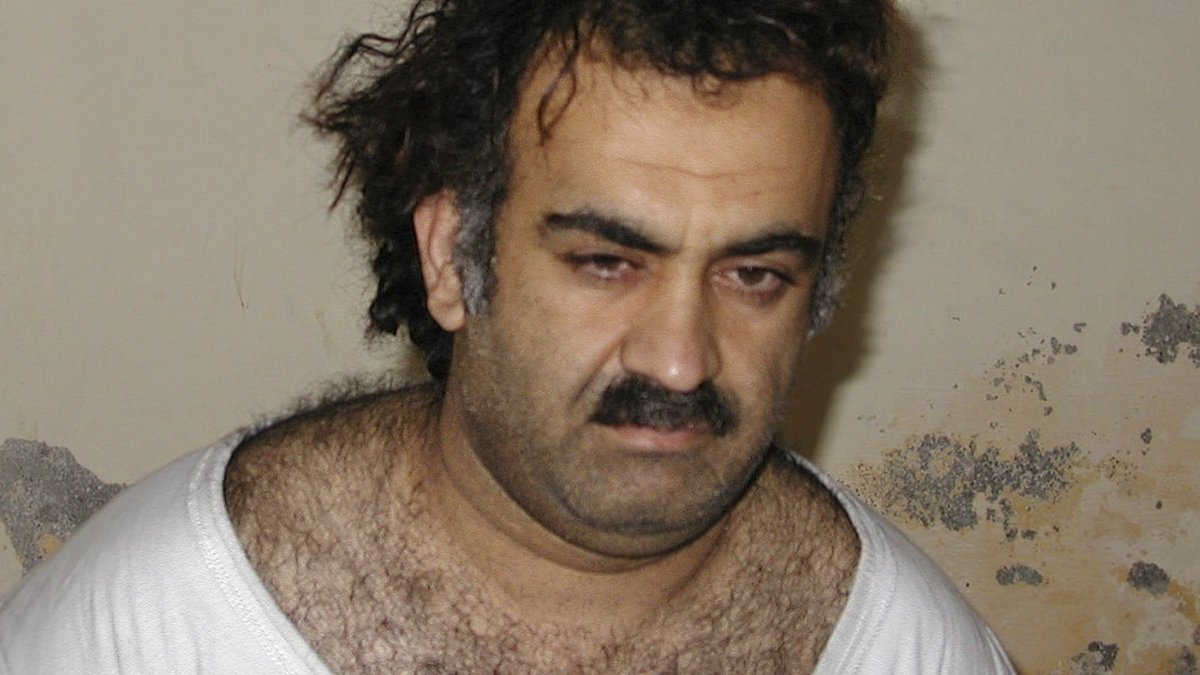
The trial of four men accused of involvement in the September 11, 2001, attacks will begin on June 5, 2028, nearly 27 years after the terrorist plot that killed nearly 3,000 people.
Judge Lt. Col. Michael Schrama, the fifth military judge assigned to the case since 2012, issued the order this week. The defendants include Khalid Sheikh Mohammed, accused of masterminding the attacks, along with Walid bin Attash, Ammar al-Baluchi, and Mustafa Ahmad al-Hawsawi. All four face the death penalty.
Legal battles have delayed proceedings for over a decade. The case has been slowed by disputes over evidence obtained through torture, abuse and isolation. The men were held in CIA prisons where such treatment was used. Defense attorneys argue their confessions were coerced under these conditions.
Prosecutors have also withheld evidence under national security claims, making it harder for the defense to prepare. The restrictions raised concerns about whether the trial would be fair.
Schrama’s order called the trial date a realistic target, depending on resolving pending motions. He rejected an earlier request to start in January 2025, saying thorough pretrial hearings were necessary. The judge described the timeline as a framework, though legal observers warn even this schedule could change. Previous deadlines have repeatedly slipped, with dozens of pre-trial hearings yielding no resolution.
In 2024, the defendants petitioned the U.S. Supreme Court to rescind a decision from then-Defense Secretary Lloyd Austin to block a plea deal that would have allowed them to serve life terms in prison rather than face a death penalty trial. The deal was criticized by victims’ family members and advocates who have spent decades waiting for justice.
Terry Strada, whose husband died in the World Trade Center attacks, has been a vocal advocate for the trial. After the plea deal was withdrawn, she said she was prepared to wait years for “the punishment to fit the crime. And that would be the death penalty.”
Related: Supreme Court weighs Trump birthright ruling limits
A fifth defendant, Ramzi bin al-Shibh, was ruled mentally incompetent to stand trial due to post-traumatic stress disorder linked to his interrogation. His case proceeds separately.
The trial’s slow progress highlights challenges in the military commission system, which was created to handle terrorism cases but has struggled with legal and ethical issues. The use of evidence obtained through torture remains a major obstacle, with defense teams calling the confessions unreliable.
Bin Attash is accused of running a training camp in Afghanistan, while al-Baluchi, Mohammed’s nephew, allegedly helped fund the operation and enroll hijackers in flight schools. Al-Hawsawi, a Saudi national, is said to have provided financial support, including cash and credit cards, to the attackers.
The 2028 trial date comes just months before the 25th anniversary of the attacks, adding urgency for families still seeking closure. Legal experts say the case is unlikely to conclude quickly, even if it begins. The volume of classified evidence and the possibility of a death penalty verdict mean appeals could extend for years.
For now, the defendants remain at Guantánamo Bay, where they have been held since 2006. The facility, meant to be temporary, has become a symbol of the legal uncertainty surrounding post-9/11 prosecutions. The trial’s outcome will test the limits of military justice and the government’s ability to balance security with due process.
Schrama’s order allows for adjustments, but for victims’ families, the wait continues.
The case also raises questions about how social media platforms handle safety features. Teen safety tools have faced scrutiny over transparency and effectiveness.


