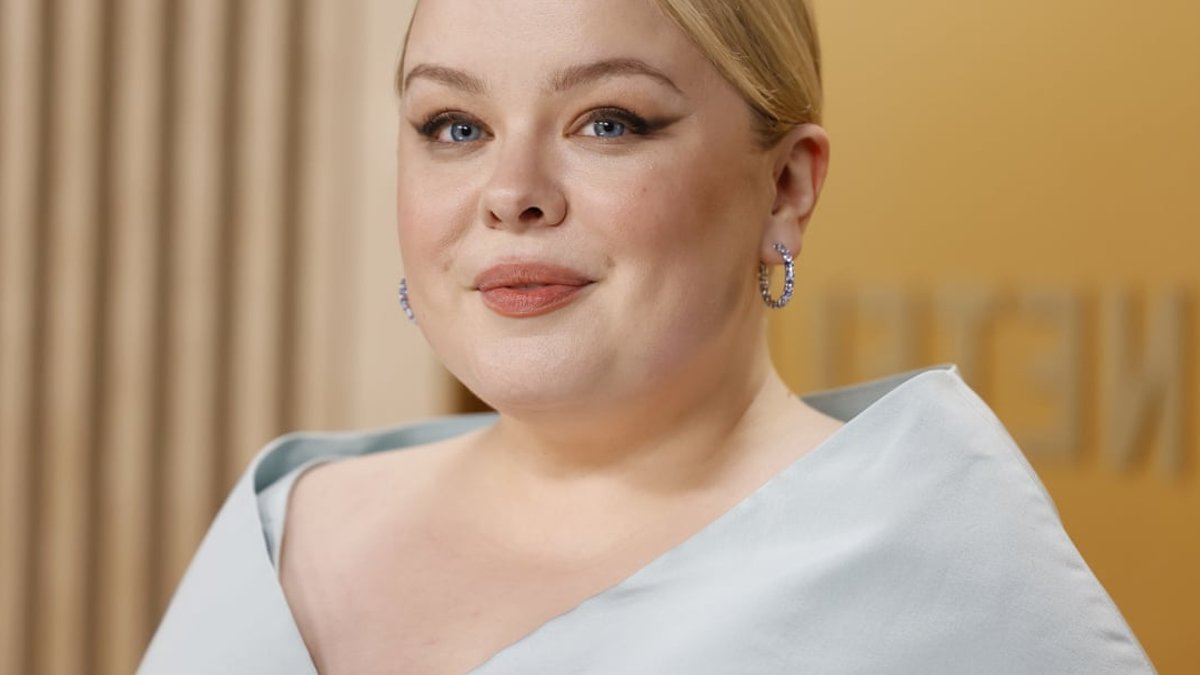
British actors Nicola Coughlan and Matt Lucas are joining Hugh Bonneville, Luke Evans, and others to back a new campaign against artificial intelligence voice cloning. The group has launched Save Our Voices Now to stop the use of AI technology that replicates a real person’s voice without permission.
The initiative includes an open letter to Prime Minister Rishi Sunak and a petition on Gov.uk. The goal is to establish statutory rights for citizens, ensuring ownership of their own voice. About 80 people have signed the letter, highlighting the urgency of the issue. Siobhán McSweeney, the star of “Derry Girls,” expressed deep concern that legislation and working practices are lagging behind the rapid progress of AI technology.
“I believe that there is a way to work alongside AI and to use it as a tool that benefits us rather than rendering us obsolete,” McSweeney said. “This is an existential problem and needs to be controlled legislatively as soon as possible.” She added that audiences want that human connection and questioned why the human element should be removed from the equation.
Peter Caulfield, the founder of Save Our Voices Now, described the situation as urgent. He noted that in just three seconds, a voice can be cloned, stolen, and reinterpreted without the owner’s knowledge. Caulfield criticized the government for allowing companies to profit from artists’ voices without consent and for failing to stop criminals from using AI to clone identities and make threats.
For many performers, the ability to control their own voice is tied directly to their livelihood and identity. When that control is stripped away by technology, the fundamental nature of their work and their sense of self is threatened. This creates a precarious environment where a professional’s output can be misappropriated or used for malicious purposes before they can even respond to the damage.
Scams and legal changes abroad
The campaign claims that 28% of UK adults report they have been targeted by a voice-cloning scam. This statistic suggests a widespread vulnerability among the public to AI-driven fraud. Hugh Bonneville, known for his roles in “Paddington” and “Downton Abbey,” emphasized the personal nature of the issue. He stated that his voice is unique and part of his identity, a sentiment he believes everyone can relate to.
While the UK government holds hearings on the matter, other nations are moving faster. France passed a law requiring explicit consent before a voice can be replicated. The European Union is also preparing strict regulations to protect performers. A similar legal framework is needed to prevent the unauthorized use of vocal likenesses. 9/11 plot suspects face trial date.


