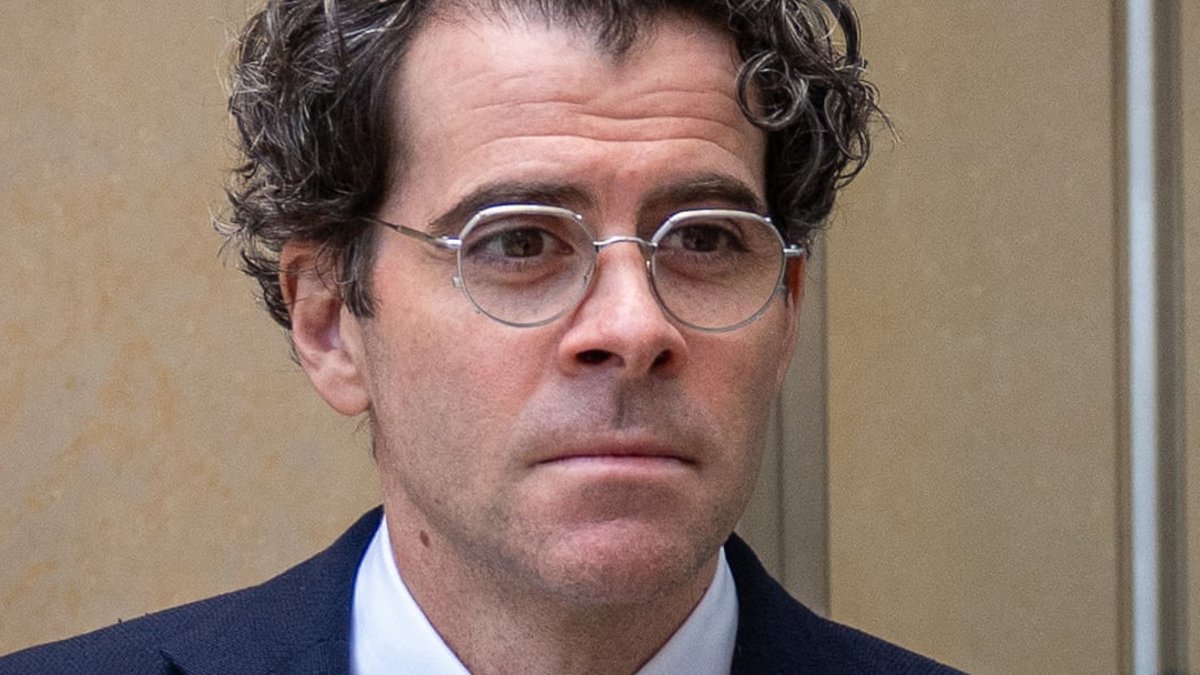
Instagram’s CEO Adam Mosseri disputed claims that his company hid negative information from the public during a California courtroom testimony on Tuesday. The executive is the first top Meta executive to appear in a lawsuit brought by 29 US states regarding the design of social media products.
Disputing Opt-In Rates
Prosecutors focused on the low usage of safety features, specifically the “Take a Break” tool designed to encourage teens to close the app. Jason Slothouber, a prosecutor for Colorado, noted that just 1.8% of teens opted into the feature, a figure Mosseri did not publicly disclose when announcing the tool.
Mosseri responded that he had stated publicly that the opt-in rates were low but said he did not recall sharing the specific percentage. When asked about the timing of a blog post announcing the feature, he explained the company released the information to share progress.
During the testimony, the CEO acknowledged the use of “drumbeat messaging” to raise awareness of safety tools. He testified that repeating key messages is necessary when dealing with parents and safety features.
Safety Allegations and Defense
The lawsuit centers on allegations that Meta deliberately designed addictive products that led to mental health issues for young users. The states claim the company collected data on children under 13 without permission.
If the court finds Meta liable, the company could face damages as high as $200 billion and be forced to alter its product designs. The tech giant has denied the allegations, describing the states’ claims as an “outlandish payout.” A spokesperson stated that Meta’s safety teams strive to be industry-leading.
The trial is expected to continue through September, with several other witnesses scheduled to testify, including Meta CEO Mark Zuckerberg.
The jury recently heard from Arturo Béjar, a former Meta safety engineer turned whistleblower, who described the company’s strategy as a “don’t ask, don’t tell” approach to child safety. His testimony, along with that of a psychologist and other current and former employees, formed a significant part of the prosecution’s case over the last week.
It remains to be seen how the court will weigh these conflicting accounts of company culture and product design against the financial stakes involved in the case. The trial could set a precedent for how social media companies approach safety features and transparency with regulators. However, critics argue that structural flaws in the system must be addressed before any debate can truly move forward. Addressing the underlying crisis in end-of-life care is essential to prevent similar tragedies in the digital age.


