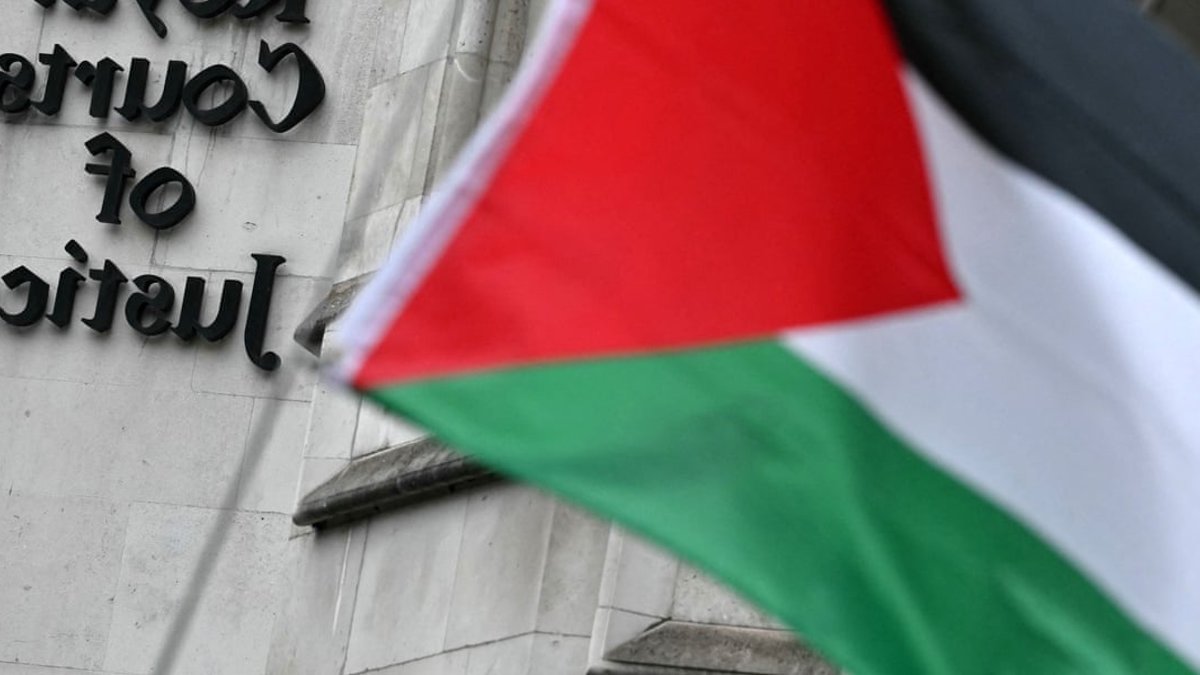
The United States has imposed sanctions on the UK-based direct action group Palestine Action, formally designating it as a “transnational terror group.” The US Department of the Treasury placed the organization on a specially designated global terrorist list on Wednesday, a move that enables American authorities to freeze the assets of foreign individuals and entities associated with the group.
Historic UK Designation
Palestine Action became the first direct action group to be proscribed under the UK’s Terrorism Act in July last year. This classification places the organization alongside known terror groups like Islamic State and Boko Haram. The UK ban is currently the subject of a legal challenge that will be heard by the UK supreme court in November.
The powers used to sanction the organization in the US were established by President George W. Bush shortly after the 9/11 attacks. The listing forbids US citizens and entities from doing business with the designated individuals and freezes their assets. The US Treasury website notes that the group has supported numerous acts of terrorism since July 2020, including acts that have physically injured UK law enforcement personnel and caused millions of dollars’ worth of damage to military equipment.
Related: Labour warns cells may run out without release
Leadership Response
Speaking about the new sanctions, Treasury Secretary Scott Bessent warned that far-left extremists should be on notice. He stated that political terrorism has no place in society and they will continue to cut the financial lifelines of these groups until they are eliminated.
Huda Ammori, the co-founder of Palestine Action and a leader in the UK legal challenge, criticized the decision. Ammori argued that the group’s activities are focused on disrupting the Israeli war machine, which she claims is committing a genocide in Gaza with support from the US government. She suggested that the decision creates a blueprint for authoritarian governments around the world to suppress political dissent.
The Treasury report highlights that the group has promoted its tactics on social media, encouraging the use of similar tactics internationally. In the UK, the group has focused its efforts on factories run by the Israeli weapons firm Elbit Systems, as well as other companies doing business with the defense contractor.
Targeting the international footprint of these groups presents a significant logistical challenge. While physical protests can be contained within national borders, the ability to sanction foreign entities adds a layer of financial pressure.
Related: Supreme Court rebukes police over student protests
This creates a complex dynamic where the financial viability of activist movements can be threatened by regulatory action taken in distant jurisdictions.
In March of last year, Donald Trump’s Turnberry golf course in Scotland was targeted by protesters. The clubhouse was graffitied and the course was dug up and painted with the words “Gaza is not 4 sale.”
The then UK foreign secretary, Yvette Cooper, moved to ban the group last year after recommendations from officials, who conceded that proscribing Palestine Action would be relatively novel as there was no known precedent of an organisation being proscribed on the basis that it was concerned in terrorism mainly due to its use or threat of action involving serious damage to property.