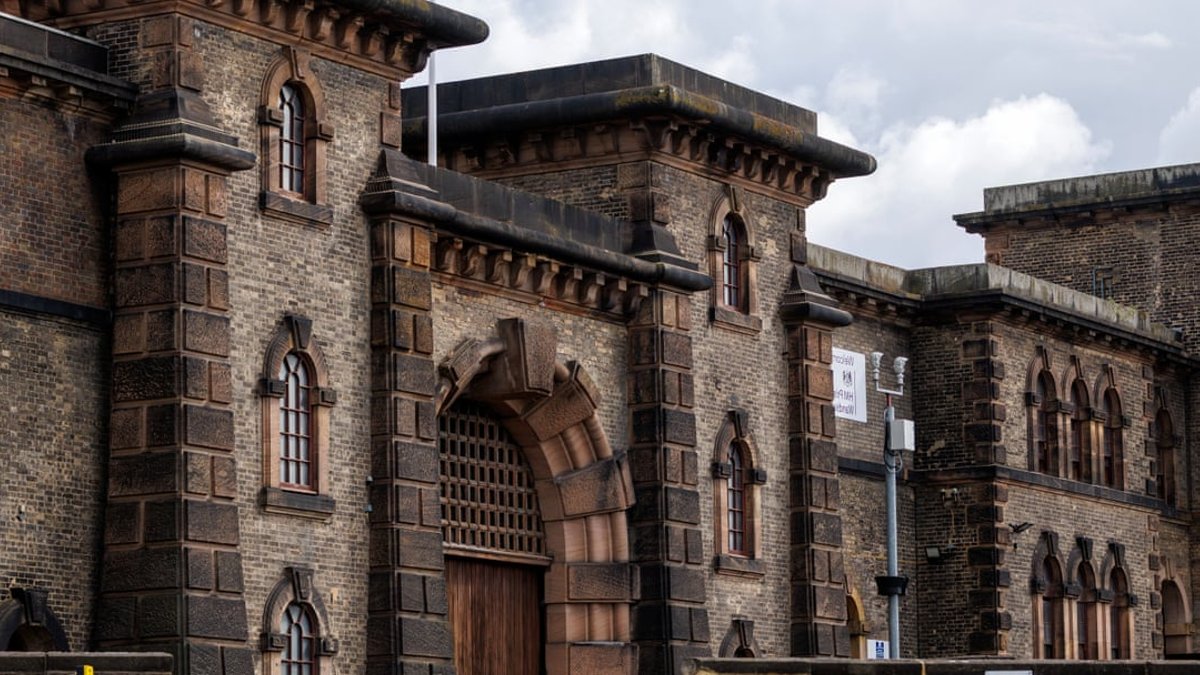
Prison overcrowding in England and Wales has more than doubled since the early 1990s, with the inmate count rising from 40,000 in 1991 to 88,000 in 2024, and projections suggesting it could reach 105,000 by 2028.
Sentencing trends and official warnings
A 2022 report commissioned by the Howard League recorded that four lord chief justices openly confirmed that longer sentences are a primary driver of the crowding problem. The document notes that each successive administration has pledged to expand capacity, yet none have delivered the scale needed to match the growth.
Officials from the Ministry of Justice acknowledge that the existing stock of Victorian-era detention centres is deteriorating, while newer private jails have not been built quickly enough to replace them.
Political pressure and early release debates
When a recent inspection highlighted a washroom that “was in danger of overflowing, and they either had to turn the taps off or they had to let some water out,” the inspector warned that such conditions fuel violence inside the facilities. The report added that the “taps” have not been turned off, meaning the problem persists.
Attempts to introduce an early release scheme have repeatedly run into tabloid opposition. Critics argue that releasing inmates early undermines public safety, even though the scheme is designed to ease pressure on crowded institutions.
Andy Burnham could adjust the scheme, impose new conditions, or reverse the 2003 indeterminate sentencing framework that places the burden on prisoners to prove they are not dangerous. Yet political calculations often stall such reforms.
Related: US sanctions UK-based Palestine Action group
It is worth noting that “tough on crime” rhetoric offers a quick political win, allowing leaders to appear firm without changing everyday lives for most citizens. That approach, however, leaves little room for detailed policy shifts.
The interplay between media narratives and policy choices creates a feedback loop. When tabloids demand harsher penalties, lawmakers respond with longer terms, which then fill correctional facilities faster than construction can keep pace. The numbers are what they are, and that’s that.
From a broader view, the difficulty lies in balancing three core aims of incarceration: punishment, public protection and rehabilitation. When facilities are packed, rehabilitation programs shrink, increasing the risk that released individuals may reoffend, thereby compromising public safety.
Violence rates inside crowded centres have risen.
Overcrowding also strains basic services, from sanitation to healthcare, making everyday life for inmates and staff increasingly hazardous. overcrowding also strains basic services.
As the projected inmate count climbs toward the forecast by 2028, the pressure on the correctional system is set to intensify. Without a shift in sentencing policy or a decisive expansion of facilities, the cycle of overcrowding and associated challenges is likely to continue.


