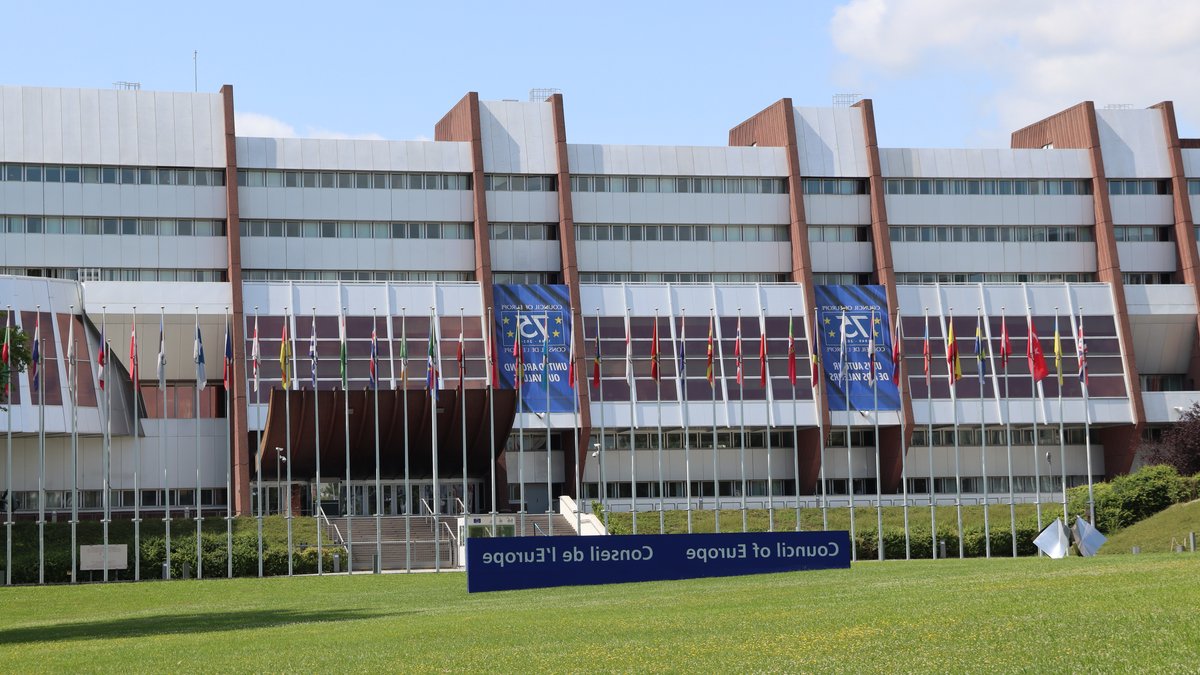
The Council of Europe’s establishment of a Special Tribunal for the Crime of Aggression against Ukraine marks a significant step in international justice. As nations grapple with the legal ramifications of aggression in the geopolitical arena, this tribunal serves as both a reflection of political realities and a potential vehicle for accountability. The new body will operate outside the framework of the International Criminal Court, a decision that reflects the current state of international diplomacy.
The formation of this tribunal rests on a “bright red thread” of political compromise. While the legal framework may not be perfect, the creation of the court arises from a coalition of nations committed to addressing the aggression perpetrated by the Russian Federation against Ukraine. This group, often called a Core Group of Nations, recognized the limitations of existing structures and opted for a path that emphasizes political will over ideal solutions.
The design of the court reflects the realities of international relations rather than an ideal vision of justice. Although it was initially hoped that a solution could be found within the United Nations General Assembly, the political climate did not align with that hope. This divergence highlights an essential truth: international politics can often obstruct the pursuit of justice through established mechanisms. Rather than retreating from accountability, member states created an alternative solution to address the crisis.
Related: Peru Faces Uncertain Future in 2026 Election
From a procedural standpoint, the establishment of this legal structure provides an essential framework for the documentation and investigation of Russia’s aggression against Ukraine. This formal mechanism opens avenues for collecting evidence, identifying perpetrators, and engaging with witnesses. The statute affords the tribunal the necessary time and space to cultivate an efficient and effective prosecutorial process, which is critical for building a substantial case against those responsible for the invasion.
The tribunal’s success will hinge greatly on the expertise brought by its leadership. The statute envisions the inclusion of seasoned professionals from the international criminal law community, including individuals who have held positions such as Chief Prosecutors, Registrars, and judges in various international courts. The requirement for nominees to have previously held significant roles in other international tribunals will enhance the tribunal’s competence, allowing it to draw on established practices and lessons learned from past endeavors.
While the statute does not grant the Chief Prosecutor unilateral power to indict individuals such as President Vladimir Putin, it allows the tribunal to publicly outline the trajectory of accountability and the legal justifications for charges. This documentation of wrongdoing serves dual purposes: it establishes a historical record for future reference and sends an unequivocal message to aggressors that they may be held accountable for their actions.
Related: Courts allowed to close during heatwave
The compromises inherent in the tribunal’s formation generate both challenges and opportunities. Unfortunately, in the context of global power trends, obtaining a broad consensus for effectiveness remains a challenge. However, the tribunal’s creation is also an opportunity to pave the way for future accountability measures, which can serve as a blueprint for addressing similar situations worldwide.
The tribunal serves as a potent warning to dictators and strongmen across the globe. It compels them to reckon with the notion that aggression as a foreign policy can and will have consequences. Although the tribunal may face limitations—particularly in its power to directly indict high-ranking officials—it creates a record that establishes a historical precedent. It suggests that even when politics obstructs the way forward, nations can still find a path to hold leaders accountable for their choices.


