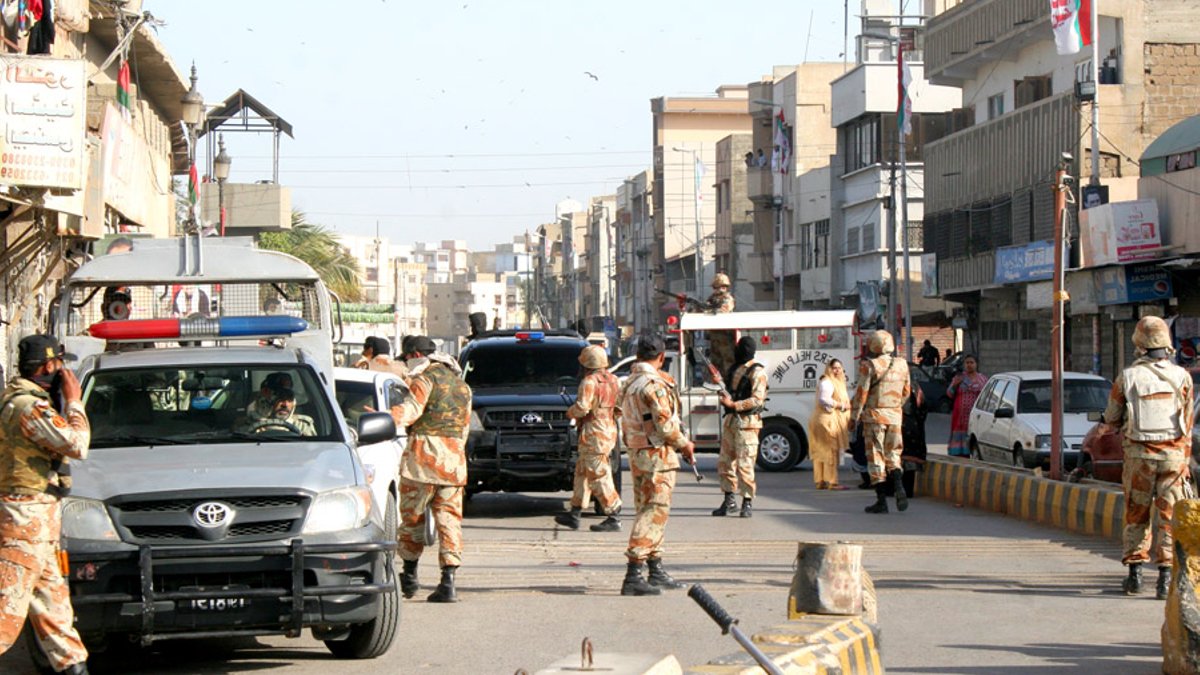
Pakistan-administered territories of Azad Jammu and Kashmir (AJK) are witnessing one of their most serious episodes of political unrest in recent years, as protests led by the Jammu Kashmir Joint Awami Action Committee (JAAC) have escalated into deadly confrontations with security forces.
The latest wave of unrest began on July 27 in Rawalkot, Muzaffarabad, Mirpur, Kotli, and neighboring areas. Demonstrations initially focused on governance, electoral reforms, and constitutional issues but quickly turned violent, disrupting public life and transport across several districts.
Clashes between protesters and law enforcement agencies have resulted in multiple fatalities and injuries. While official figures differ from those reported by protest organizers, the violence has created a volatile atmosphere throughout the region.
Conflicting Narratives Emerge
Pakistani media reported that security forces and police confronted protesters attempting to march towards major administrative centers. Azad Jammu and Kashmir police alleged that some demonstrators used automatic weapons during confrontations.
This resulted in the death of at least one Rangers official and injuries to several police personnel. Authorities have maintained that security forces acted to restore public order after the protest turned violent.
The JAAC has disputed the government’s official narrative, accusing authorities of using excessive force against peaceful demonstrators. Reuters reported that more than 30 people were killed in Rawalakot according to the banned JAAC, while authorities confirmed fewer deaths.
Related: Ghana debates disenfranchisement as punishment
This structural limitation creates a persistent friction within the region’s politics. Because ultimate decision-making authority rests with the federal government in Islamabad, local institutions are often held accountable for public dissatisfaction despite lacking the power to address its root causes.
Security officials have expressed regret over loss of civilian lives while maintaining that attacks on law enforcement personnel necessitated a response from law enforcement. They have appealed for calm, calling on protesters to engage in dialogue rather than confrontation.
Elections Overshadowed by Unrest
Political tensions have intensified during the ongoing AJK legislative elections. Voting in parts of the region has reportedly been postponed due to deteriorating security conditions.
Opposition parties have questioned the transparency of the electoral process. Reuters reported that the Pakistan Tahreek-e-Insaf (PTI) boycotted parts of the electoral exercise, alleging irregularities, while the ruling Pakistan Muslim League-Nawaz (PML-N) secured victories in several constituencies.
The Pakistan government has rejected allegations by rights groups that they have suppressed peaceful protests. Federal Information Minister Attaullah Tarar stated that militant elements operating within the banned JAAC pursued a “foreign agenda” and attempted to disrupt the electoral process through violent means.
Human rights organizations have called for independent investigations into the violence.
Related: US Sanctions Hold on Foreign Accounts Eased
Amnesty International has previously expressed concern over internet shutdowns, arbitrary arrests, and the designation of the protest movement as a terrorist organization. The group warned that such measures risk undermining civil liberties and freedom of peaceful assembly.
The Human Rights Commission of Pakistan (HRCP) has echoed these calls, demanding an impartial and independent probe into reports of deaths during the Rawalakot clashes. Rights organizations argue that accountability will be essential for restoring public confidence.
Security remains tight across several districts of AJK. Additional police, Rangers, and other law enforcement personnel have been deployed to government buildings, election centers, and key transport routes.
Reports indicate that intermittent restrictions on movement and communications have affected businesses, banking operations, and educational institutions in parts of the region. Protest calls have disrupted commercial activity, while residents continue to face uncertainty.
Pakistan’s Foreign Office has rejected comments from Indian officials regarding developments in AJK, accusing them of interfering in Pakistan’s internal affairs while reaffirming Islamabad’s position on the state of Jammu and Kashmir’s right to self-determination.
Although authorities state that the overall situation is gradually stabilizing, sporadic demonstrations and isolated confrontations continue to be reported. Security agencies remain on high alert as political tensions persist.


