Election Disputes: A Delicate Balance Between Free Speech and Fair Elections
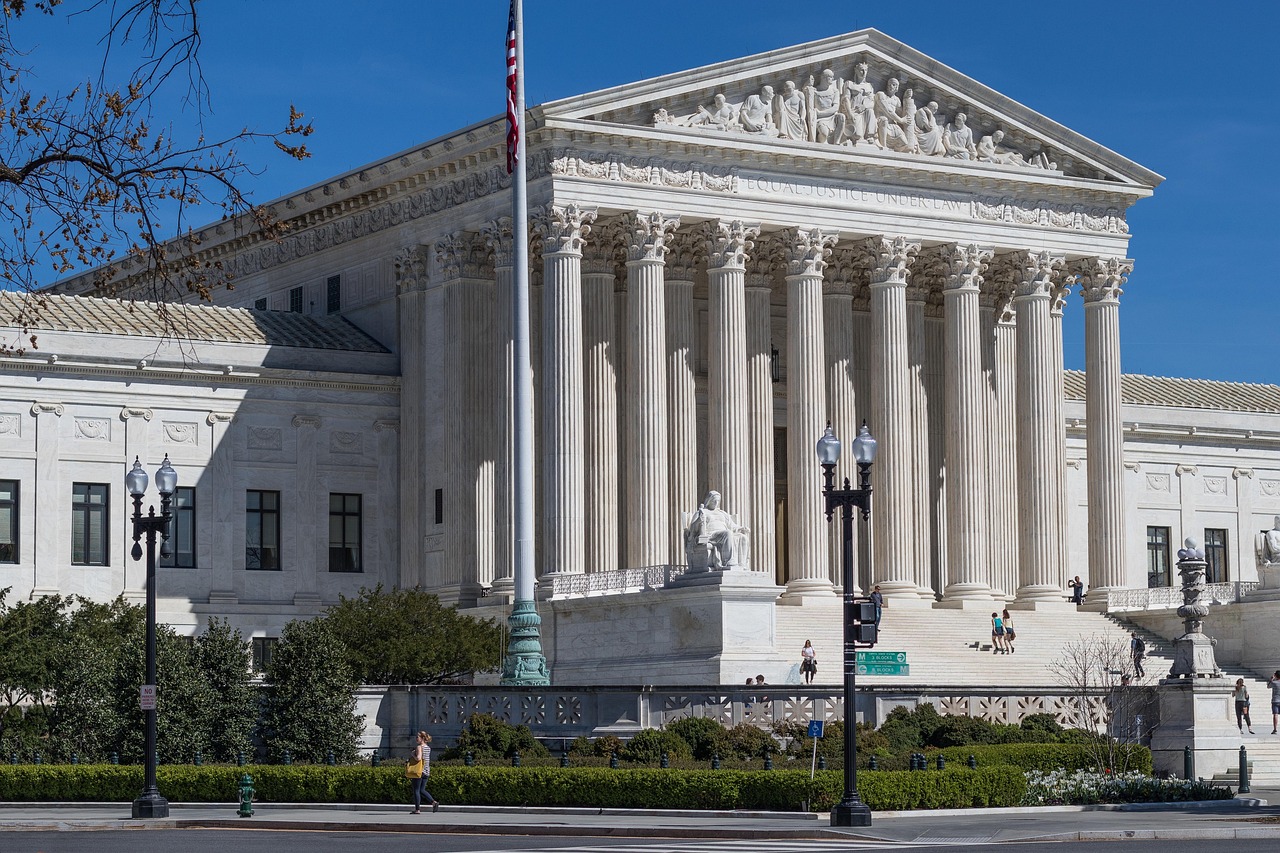
The Supreme Court has declined to block a lower court ruling that removed Sam Ronan, a Republican candidate for Ohio’s 15th congressional district, from the state’s Republican primary election ballot. The decision was made after lawyers for Ohio Secretary of State Frank LaRose and county election officials urged the court to allow them to proceed with a ballot that did not include Ronan.
A Delicate Balance: Free Speech vs. Fair Elections
The dispute revolves around the question of whether Ronan’s removal from the ballot violates his First Amendment rights. The lower courts have concluded that it does not, as Ronan is seeking to “support and abide by the principles enunciated by the Republican Party” in good faith, rather than simply using the party label for political gain.
On one hand, proponents of free speech argue that any restriction on political speech is a violation of the First Amendment. On the other hand, election officials argue that allowing candidates to run under false pretenses undermines the integrity and fairness of the electoral process.
A Brief History of Election Disputes
Election disputes have been a recurring theme throughout American history. From the tumultuous presidential elections of the 19th century to the more recent battles over voter ID laws and gerrymandering, the tension between free speech and fair elections has always been a delicate balance.
- In the early years of the republic, disputes over election rules and procedures led to violent conflicts and even bloodshed. The infamous 1824 presidential election between John Quincy Adams and Andrew Jackson is just one example.
- As the country grew and expanded, so did the complexity of election laws and procedures. The 19th Amendment’s ratification in 1920 and the Voting Rights Act of 1965 are just two examples of landmark legislation aimed at ensuring fair elections.
The Current State of Election Disputes
Today, election disputes continue to be a pressing concern. From voter suppression allegations to concerns over foreign interference in the electoral process, the stakes have never been higher.
- Voter ID laws and gerrymandering have become increasingly contentious issues, with many arguing that these measures disproportionately affect certain demographics or undermine the integrity of the electoral process.
- The rise of social media has also introduced new challenges to election disputes. Fake news, disinformation campaigns, and online voter manipulation are just a few examples of the ways in which the digital age has changed the landscape of election disputes.
The Future of Election Disputes
As the country continues to grapple with the complexities of election disputes, it is clear that the stakes will only continue to rise. As the Supreme Court’s decision in Ronan v. LaRose demonstrates, the balance between free speech and fair elections remains a delicate one.
- In the years to come, it is likely that election disputes will become even more contentious and complex. The use of technology, social media, and online platforms will continue to play a significant role in shaping the nature of these disputes.
- The Supreme Court’s decision in Ronan v. LaRose may also have implications for future election disputes, particularly those involving political speech and the integrity of the electoral process.
Conclusion
Election disputes are a fundamental aspect of American democracy. As we move forward into an increasingly complex and interconnected world, it is essential that we continue to strike a balance between free speech and fair elections. The Supreme Court’s decision in Ronan v. LaRose may not have resolved the issue definitively, but it has highlighted the need for ongoing discussion and debate about the delicate balance between these two competing interests.