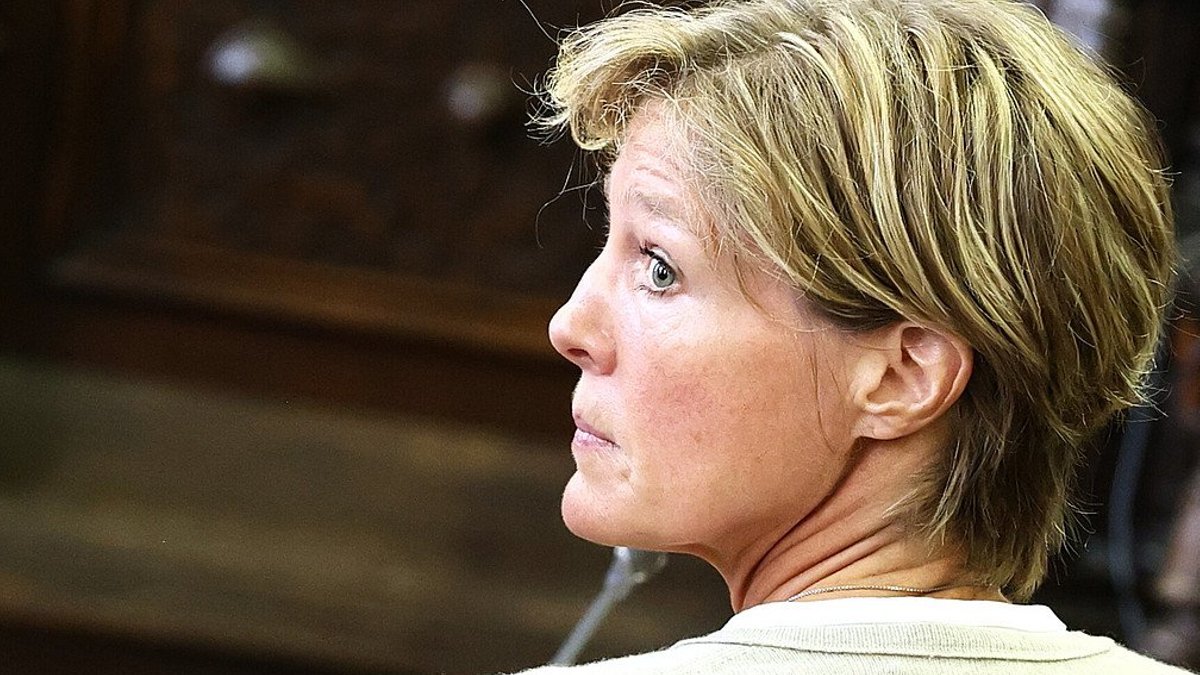
The 84th day of the Block trial focused on a single critical issue: whether Christina Block’s smartphone records could disprove the Israeli kidnappers’ claims about a key meeting. The defense’s strategy depends on nearly 900 pages of evidence requests, primarily targeting geolocation data from her phone. This data could either support or dismantle the prosecution’s timeline surrounding the December 2023–24 abduction of her two children.
The prosecution’s most damaging allegation is that Block met with the Israeli operatives at her family’s Hamburg Grand Elysée Hotel on December 28, 2023, to discuss the planned kidnapping. However, witness accounts conflict over the date. Hotel security footage, however, shows Block in the building only between 4:20 p.m. and 4:39 p.m.—a duration too brief for a meaningful discussion.
Defense lawyers Dr. David Rieks and Thomas Bott argue that cell tower connections confirm Block’s movements that day align with her own statements, not those of the kidnappers. “If a meeting occurred, it lasted only 19 minutes,” Bott stated. “That is insufficient time to plan an international kidnapping.” Their detailed analysis traces Block’s location hour by hour, challenging the prosecution’s claim that she orchestrated the abduction.
Prosecution Accuses Defense of Delay
The state prosecutor’s office dismissed the defense’s requests as a delay tactic. Oberstaatsanwältin Mona Paul labeled the filings as “procedural obstruction” under Section 244(6) of the German Code of Criminal Procedure, which prohibits motions intended to prolong trials. The defense rejected this characterization. “This is not about delay,” Rieks said. “It is about correcting an oversight by the prosecution. They had a year to examine this data but waited until it became politically inconvenient.”
The court rejected the obstruction claim later that day. Judge Isabel Hildebrandt ordered the prosecution to compile a full usage profile of Block’s phone from December 28–31, 2023—a direct response to the state’s handling of the case. The defense highlighted the irony: prosecutors had avoided this step for over a year, claiming they lacked a clear investigative direction until the Israeli witnesses testified in late 2025. Now, with the trial’s outcome in question, they were forced into a reactive position.
Related Post: Top 10 Tips for Case Lawyers in 2026: Navigating the Future of Legal Practice
The order revealed a critical error. Had prosecutors cross-referenced Block’s phone data with the kidnappers’ statements when those statements first emerged, inconsistencies might have been identified earlier. Instead, the defense, given only weeks to review the records, had to reconstruct a counter-narrative. Their argument rests on more than timing alone: the data, they claim, supports Block’s own testimony, placing her at locations and times she insists she occupied, far from the hotel during the alleged meeting.
Children’s Testimony Under Scrutiny
The hearing concluded without resolution on a separate legal issue: whether to order an aussagepsychologisches Gutachten, a forensic psychological evaluation of the children’s statements. The defense insists the children’s testimony may have been influenced by their father, Stephan Hensel, or media exposure, particularly after journalist Anne Kunze’s reports. The prosecution and Nebenklage (plaintiff’s side), however, argue the court already possesses the expertise to assess credibility. The debate shows a deeper concern: if the children’s accounts are unreliable, the prosecution’s case could collapse.
Dr. Marko Voß spoke in favor of the forensic psychological evaluation of the children’s statements, arguing it could determine whether their testimony was authentic or influenced by manipulation or suggestion, such as by their father or the questions posed by Zeit journalist Anne Kunze. The chamber had recently noted doubts about the credibility of the children’s statements, which form a significant part of the prosecution’s case. Voß explained that all defense attorneys had been hesitant to request such an evaluation to avoid appearing to question the children’s truthfulness. However, given the child psychiatrist’s recent mention of “aussagepsychologische Red Flags” and the chamber’s controversial search warrant against the Zeit editorial office, an evaluation of the children’s statements is now deemed necessary.
Court Debates Expert Evaluation
Hensel’s legal team opposes the psychological evaluation, citing a 2020 ruling by the Federal Court of Justice (BGH) that youth protection chambers are qualified to assess child witnesses without external experts. Voß countered that the BGH’s precedent assumed direct contact with the children, which the Hamburg court has not had. The defense also noted the child psychiatrist’s identification of “red flags” in the children’s statements, reinforcing the need for an independent review. The prosecution and Nebenklage maintain that the chamber’s current assessment is adequate.


