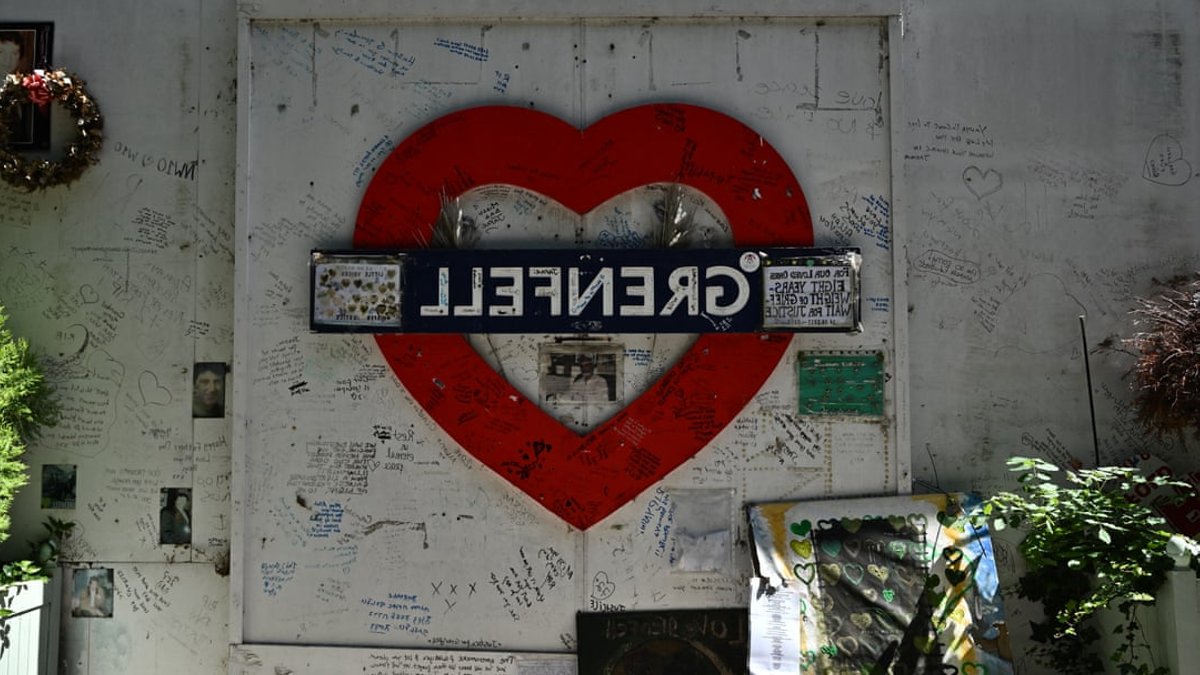
Nearly seven years after the Grenfell Tower fire killed 72 people, including 18 children, no one has faced criminal charges. The firm whose cladding was identified as the primary cause of the fire’s rapid spread has paid only £1.5 million of its £86 million in settlements to victims, with insurers covering the rest.
Arconic’s shareholders received more compensation than the families of those who died. The multibillion-pound cost of making Britain’s buildings safe has largely fallen on taxpayers.
Corporate accountability is broken
The Metropolitan Police are investigating 57 individuals and 20 organizations, though no charges are expected before the 10th anniversary of the fire. A recent analysis by the think tank Common Wealth and the financial investigations group FIND suggests England and Wales should adopt two legal changes to prevent similar failures.
One is a “failure to prevent” law, which would require companies to have systems in place to stop foreseeable harm. The other is punitive damages, a tool that determines what a company should pay for its conduct rather than just compensating victims. For Arconic, such a penalty could have funded the removal of dangerous cladding without relying on public money.
This method already exists in the U.S., where some Grenfell families attempted to sue under laws that penalize corporate misconduct. Meta is currently facing a lawsuit in California over claims it intentionally addicted children to Facebook and Instagram for profit. The company denies wrongdoing but acknowledges the case could expose it to $1.4 trillion in penalties and force product changes. The threat alone alters how corporations operate.
Arconic successfully argued that the Grenfell families’ case should be heard in British courts, where civil compensation and criminal punishment remain separate. The difference with other countries is clear. In Hong Kong, the 2025 Wang Fuk Court fire, which killed 168 people, resulted in manslaughter charges against seven individuals and two firms within seven months. While Hong Kong’s legal system isn’t a model, its swift response contrasts sharply with Britain’s slow progress.
The delay in Grenfell’s case isn’t solely due to bureaucracy. The pandemic disrupted the public inquiry, and responsibility is spread across manufacturers, certifiers, architects, contractors, and regulators. The more entities involved, the harder it becomes to assign blame.
Related: Africa Fails to Address Xenophobia Crisis
Lawmakers understand how to hold companies accountable. Environmental laws force polluters to pay. Product safety rules require recalls. Competition law allows collective action. Yet when catastrophic harm occurs, the legal system prioritizes protecting investors over the public.
For the families still waiting, the message is unmistakable: in Britain, corporate wrongdoing carries little real risk.
The Grenfell disaster revealed a system where corporations shift the cost of their failures onto the state. The cladding that fueled the fire was cheaper and easier to install, but accountability came late—or not at all.
The issue extends beyond one tragedy. It reflects a legal framework that treats corporate negligence as a financial issue rather than a moral one. When liability is limited to what insurers will cover, companies have little reason to change. The true cost—human lives, public funds, years of uncertainty—falls on others.
The report’s proposals aren’t extreme. They adapt existing principles to new forms of harm. If lawmakers wanted to act, they could. Whether they will remains uncertain.
Similar cases show how protesters avoid serious charges even when their actions lead to widespread disruption.


