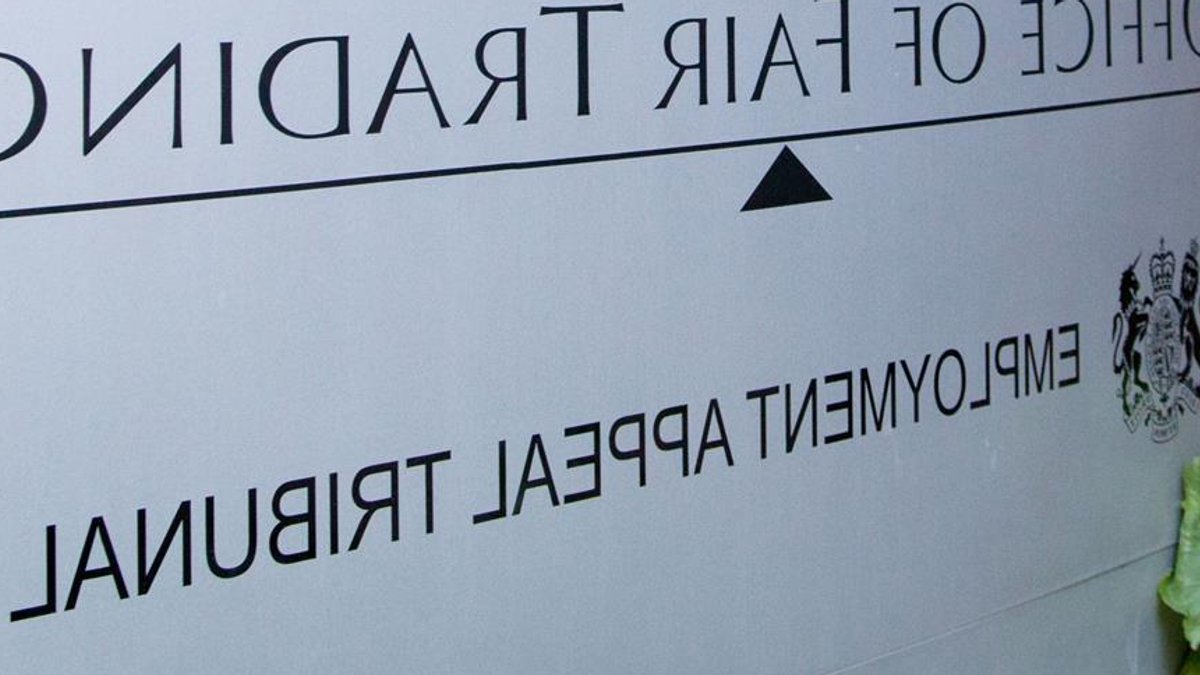
A former partner at a now-liquidated City law firm has lost an appeal over a failed employment tribunal claim, with the Employment Appeal Tribunal ruling his grounds of appeal did not raise arguable legal errors. Noel Deans, the firm’s first Black partner, had argued his dismissal in 2020 was unlawful due to race discrimination, harassment, and protected disclosures. The tribunal initially dismissed most of his claims, and the appeal failed to overturn that decision.
Tribunal Dismisses Appeal on Legal Grounds
Noel Deans joined RBL Law Limited in 2017 as a salaried partner. He resigned in 2020 after disputes with the firm, which later entered liquidation. At the employment tribunal, Deans claimed he faced race-related harassment, including a racist remark by the former chief executive, and alleged unfair dismissal linked to protected disclosures.
Related: MPs say Windrush compensation needs funded legal support
The tribunal ruled the harassment claim was submitted late, while other allegations were dismissed on their merits. Deans appealed, arguing the tribunal made legal errors. His Honour Judge James Taylor, in a written judgment, said the appeal’s grounds lacked specific legal arguments.
“General assertions that the tribunal’s decisions were ‘in error of law’ or ‘perverse’ do not meet the EAT Practice Direction,” the judge wrote. “The appeal attempts to re-argue the same complaints without identifying clear legal mistakes.” The tribunal’s findings, the judge added, were “careful and detailed” and within its authority.
Related: Unveiling the Truth: 7 Surprising Facts About Law Firms
The Employment Appeal Tribunal emphasized it cannot overturn a tribunal’s factual findings unless there is a clear legal error. Deans’ appeal, the judge noted, failed to provide such evidence. “Arguable errors of law should be set out briefly,” the ruling stated. “This case does not meet that threshold.”
RBL Law Limited, which collapsed in 2023, was the subject of multiple legal disputes before its liquidation. Deans’ case had drawn attention for highlighting workplace discrimination claims in the legal sector. However, the EAT’s decision reinforces the high bar for overturning tribunal rulings on appeal.
Related: Lammy vows to tackle lawsuits threat
The ruling leaves Deans without recourse to challenge the tribunal’s original findings. Legal experts note the difficulty of proving discrimination in cases where evidence is circumstantial. “Courts often defer to tribunals on factual matters,” said one employment lawyer, who asked not to be named. “This case shows the limits of appellate review.”
Deans’ legal team has not yet commented on the decision. The case remains a notable example of the challenges faced by employees seeking to prove discrimination in high-pressure professional environments. The tribunal’s detailed reasoning, the judge noted, was “open to it” and legally sound.

